Verdadero origen de la palabra cordobán y falsas atribuciones de la artesanía histórica.
Latest posts
-
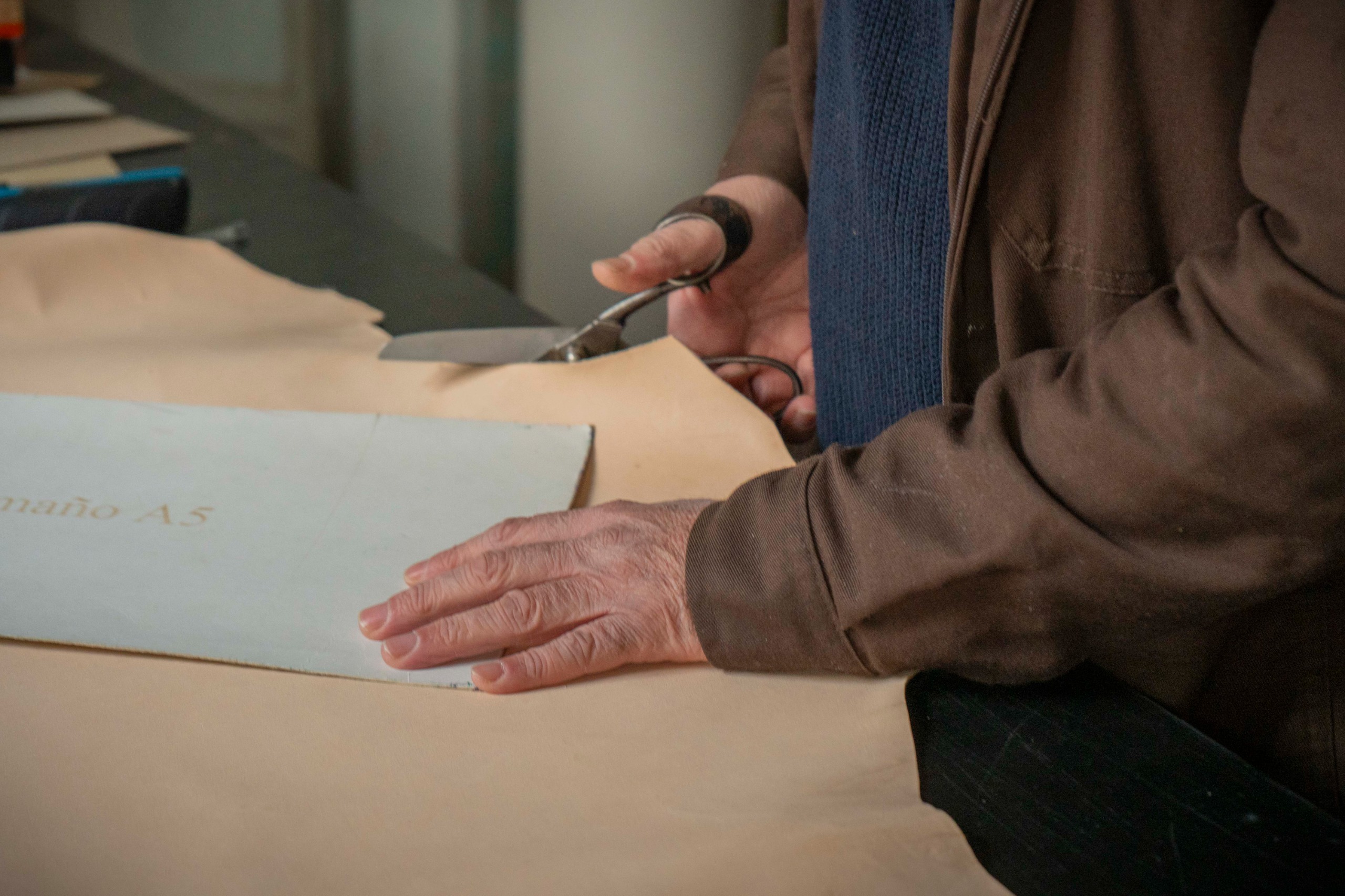 ¿Qué es realmente el Cordobán?Read more
-
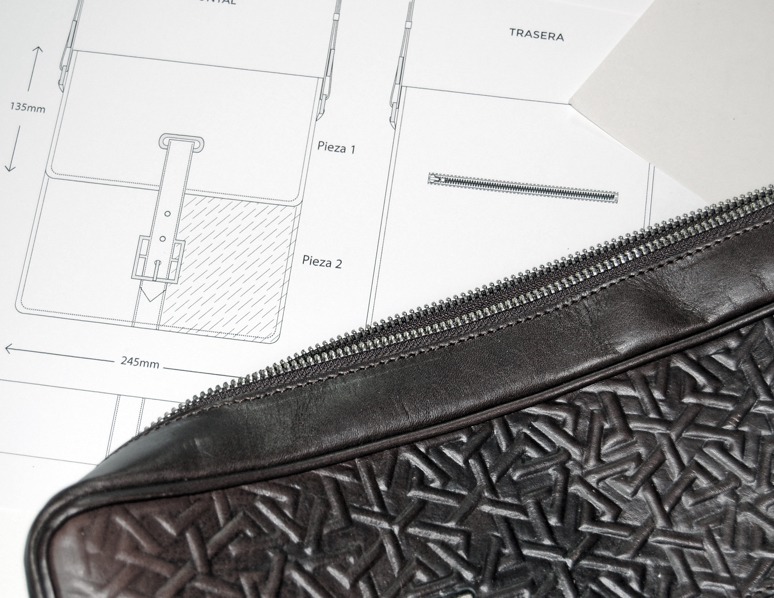 How to make a handmade leather bag step by step?Read more
how to create step by step the creation of handmade tanned leather handbags.
-
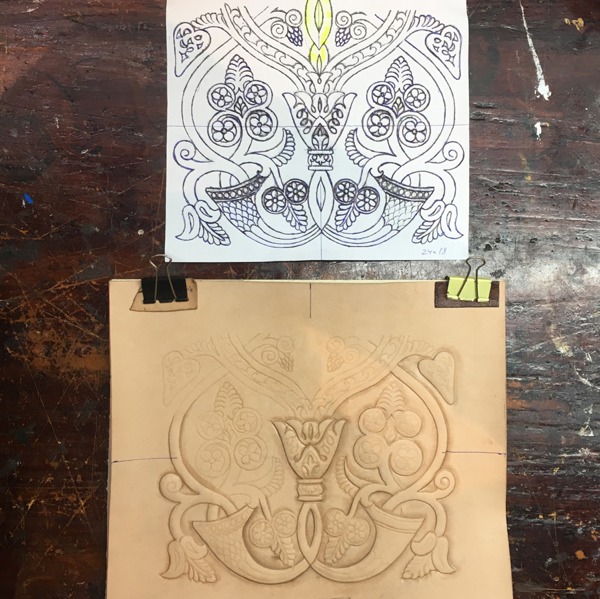 Types of leather What kind of leather do we use for each product?Read more
Are you interested in the types of leather we use to make our product? Visit our blog and read about the creation of...
-
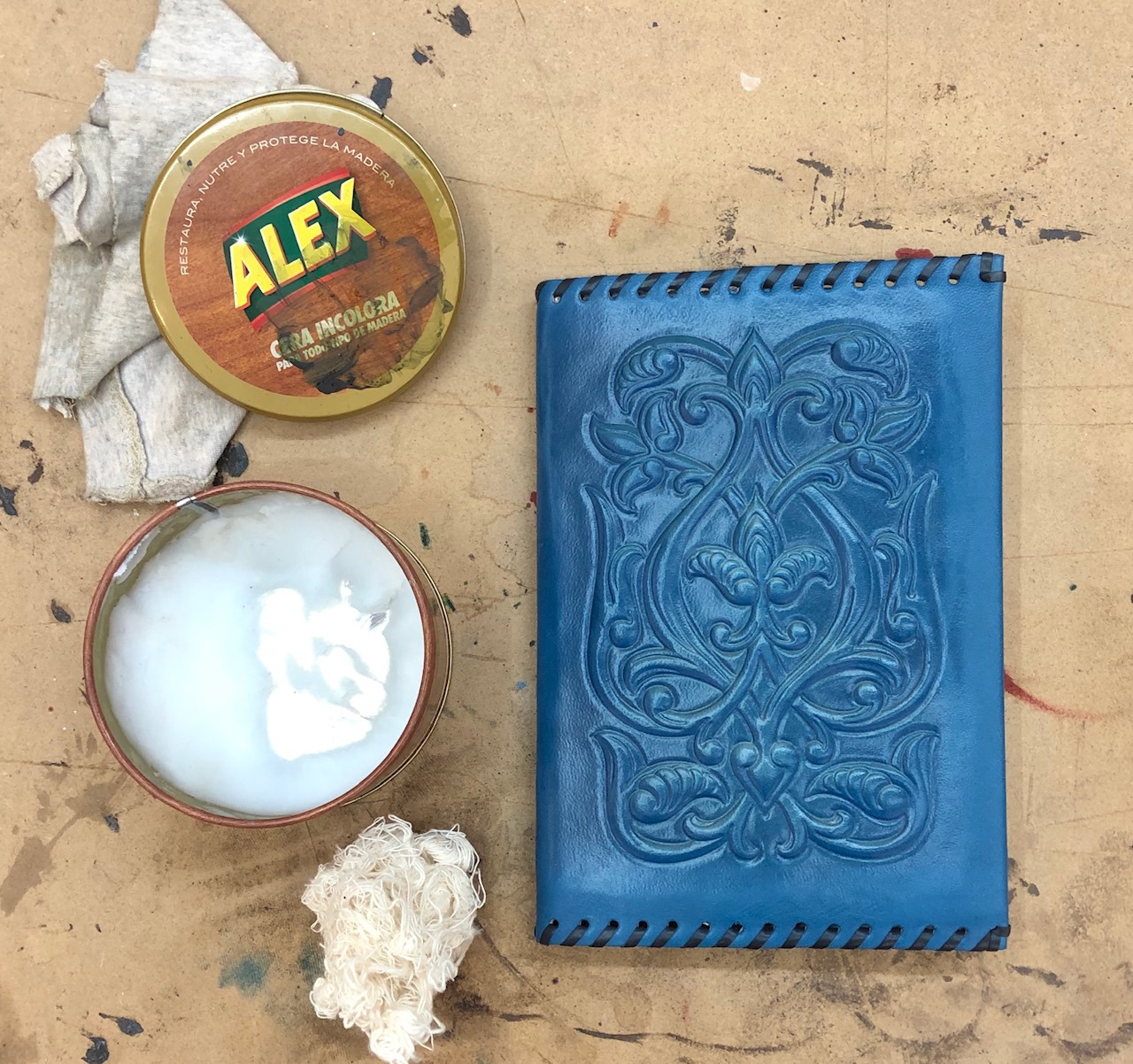 Tips to care for your leather productsRead more
The leather or tanned leather is a natural and organic material with excellent attributes of resistance and...
-
 5 Steps to identify Synthetic LeatherRead more
Commercially speaking, leatherwork has been divided in two different groups: natural leather and synthetic leather or...
-
 Vegetable Leather DyeingRead more
In this article, we want to show how to dye leather by hand, and the types of dyes we use to color leather and obtain...
-
 A little Story of the Seal of CordovaRead more
History of the official Seal and Coat of arms of Cordova since 13th century trough Meryan leather workshop
-
 Discover Najima backpack, the leather laptop backpack from Laceria Collection.Read more
New embossed leather laptop bakpack for men. It is an unique and exclusive item made by cordovan style.
-
 World Maps: a window to our history engraved in leatherRead more
The relevant history of maps and how they change our view of the world. Their influence in our leather handbags...
-
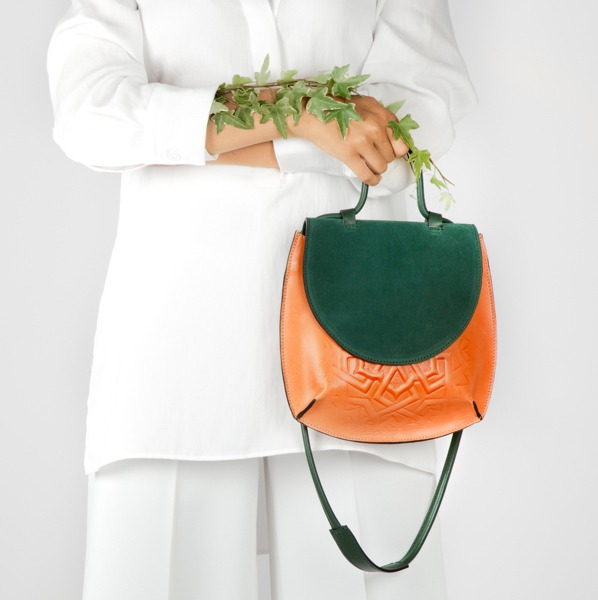 The Mezquita Bag Collection by cordovan style.Read more
The bag collection has an out-of-time where you can behold the excellent quality of Meryan´s leatherwork.
Blog categories
Search in blog
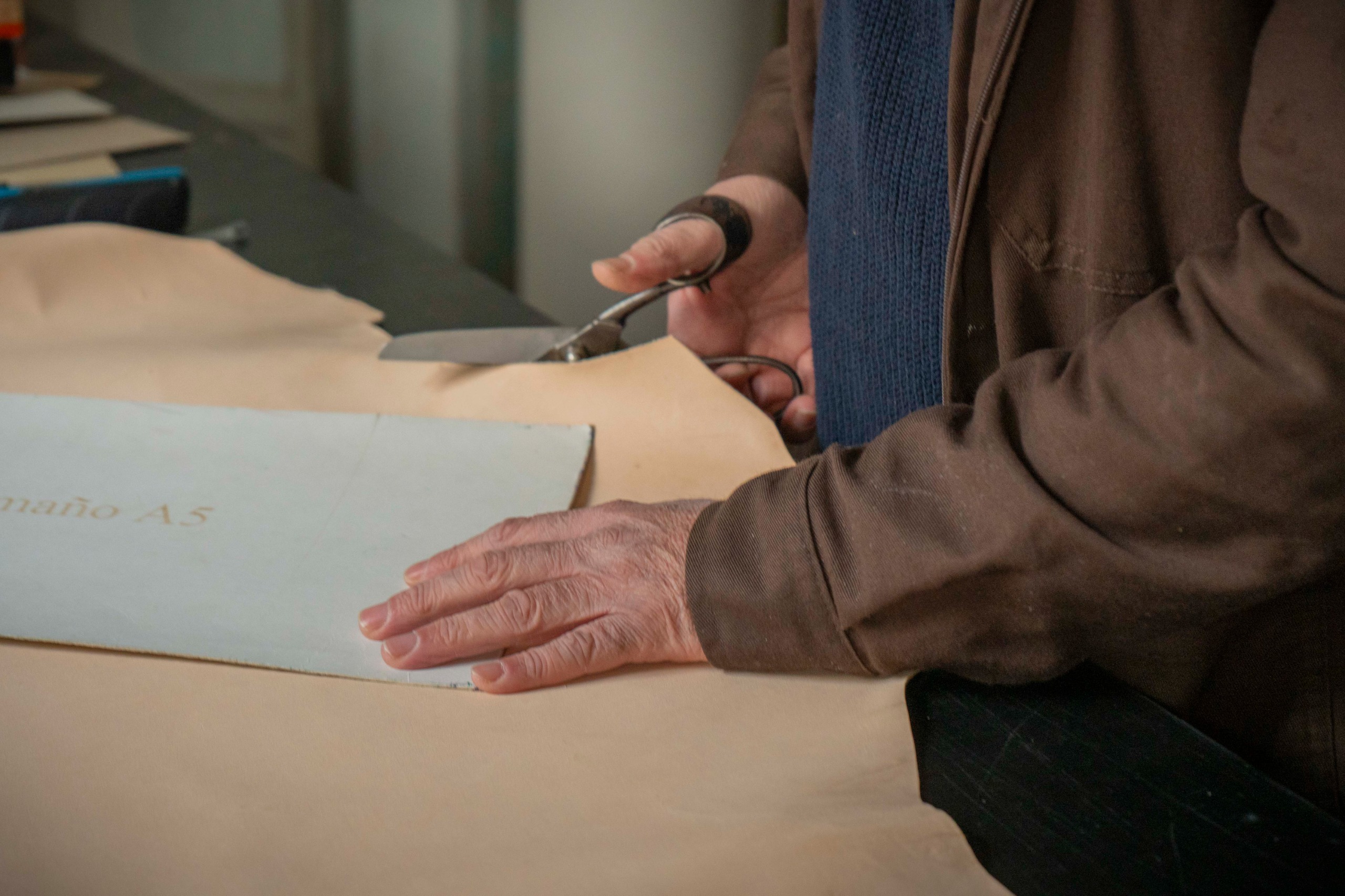
¿Qué es realmente el Cordobán?
¿Qué es un cordobán?
The “Cordoban” is made from tanned goat’s hides (from either bucks or does), of high-quality and usually tanned using sumac. Sumac is a plant that produces much higher quality leather than those produced using other tanning plants, such as oak or pine bark.
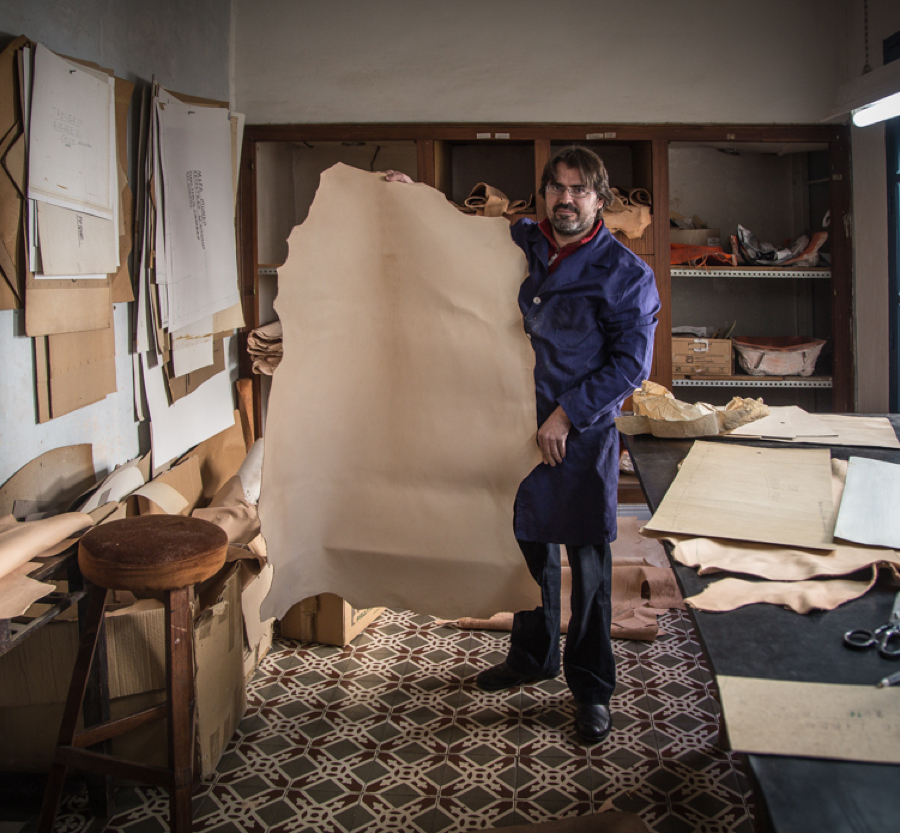
Since medieval times, “Cordobanes” have been used for lining caskets, trunks, chests and cases and for manufacturing luxury shoes and gloves. Despite their mainly functional purpose, "Cordobanes” were often ornamented and decorated with painted motifs, embossed or engraved with incisions or openwork, all of which enhanced their luxury value.
Por tanto podemos decir que el cordobán no nació como una técnica decorativa, sino como una denominación asociada a un cuero de características concretas.
Falsas atribuciones a la palabra cordobán.
- En el ámbito comercial y turístico se ha llamado cordobán prácticamente a cualquier tipo de pieza repujada, donde en los acabados hay poca decoración y predomina el color natural.
- Técnicamente no es muy correcto distinguir entre cordobán y guadamecí solo porque una pieza conserva el color de la piel y el otra se policroma con pan de plata y oro. Sería simplificar mucho y no revela la auténtica diferencia entre las dos técnicas.
o El cordobán en un cuero / El guadamecí es un cuero artístico.
o El cordobán no tiene una connotación de aplicación artística
- Reconocemos que hemos asimilado la palabra cordobán a piezas elaboradas mayoritariamente en piel de badana (cordero) y no de cordero. En parte una de las causas es que la producción de piel de cabra de curtido vegetal es muy escasa.
- Shell Cordovan. Se comercializa en la fabricación de calzado y pequeños artículos de marroquinería de lujo. Este cuero se obtiene de una zona específica de la piel de caballo y no debemos confundirlo con el cordobán tradicional. Pero si que destacamos que su denominación mantiene una relación lingüística con el cordobán. Demuestra cómo una denominación puede viajar, transformarse y adquirir nuevos significados alejándose de su definición histórica original.
- También en algunas publicaciones se han generalizado cordobanes y guadameciles como técnicas decorativas.
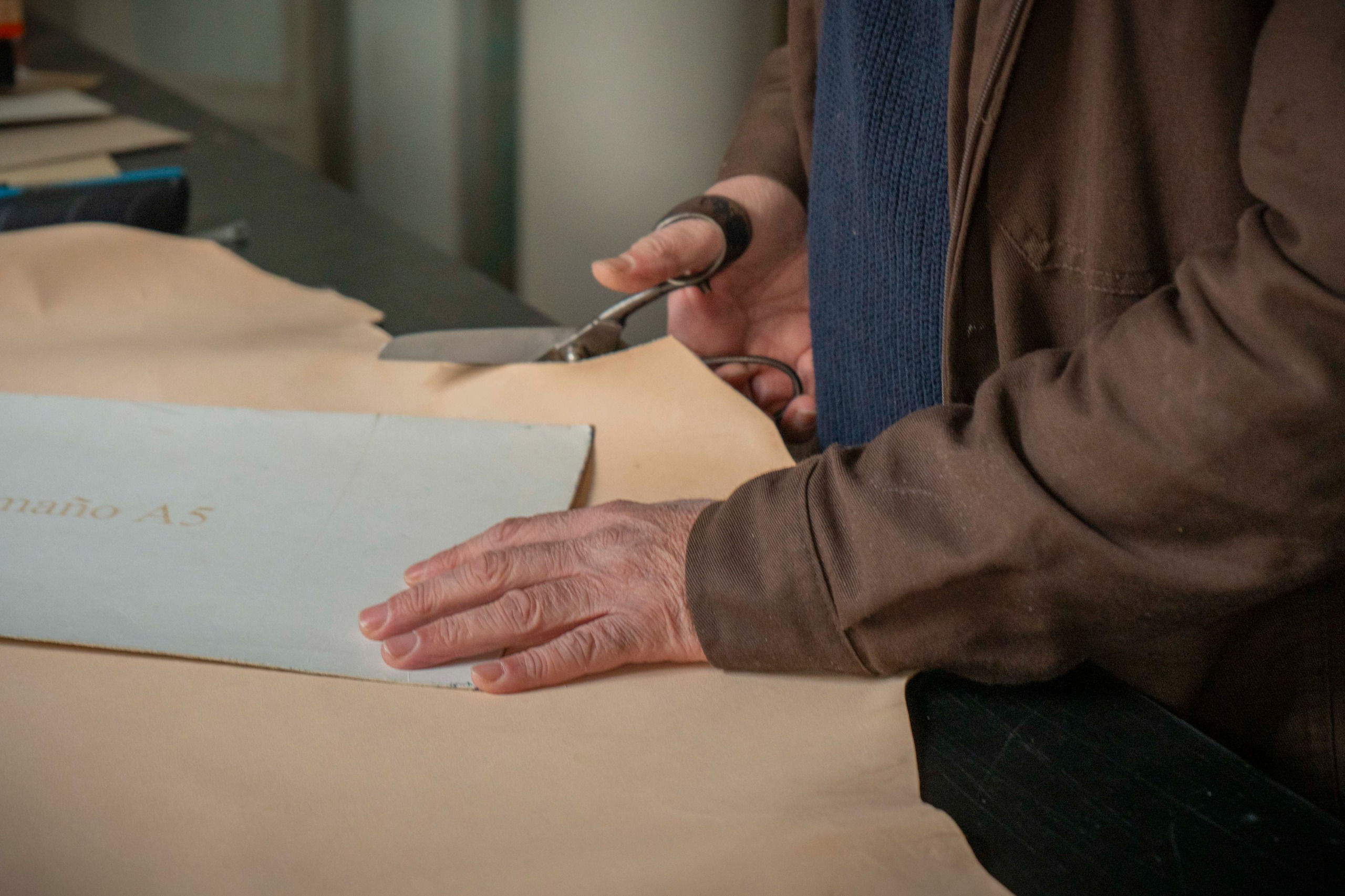
La importancia de recuperar el significado de las palabras.
En una época en la que los productos artesanales se comercializan en un mercado global, utilizar correctamente sus denominaciones es una forma de proteger el conocimiento.
También debemos destacar que una pieza contemporánea puede inspirarse en el Cordobán sin reproducir exactamente los materiales y procedimientos históricos.
Esa interpretación es legítima y necesaria para que la artesanía continue evolucionando.
Pero la innovación no debería hacernos olvidar el significado original de aquello que reinterpretamos.
Como conclusión en Meryan creemos que la verdadera innovación comienza por conocer y respetar aquello que hemos heredado.
Posted in:
History workshop
Related posts
-
Tips to care for your leather products
The leather or tanned leather is a natural and organic material with excellent attributes of resistance and...Read more
-
5 Steps to identify Synthetic Leather
Commercially speaking, leatherwork has been divided in two different groups: natural leather and synthetic leather or...Read more
-
Vegetable Leather Dyeing
In this article, we want to show how to dye leather by hand, and the types of dyes we use to color leather and obtain...Read more
-
A little Story of the Seal of Cordova
History of the official Seal and Coat of arms of Cordova since 13th century trough Meryan leather workshopRead more
-
 Meryan and Promi Foundation
Meryan cooperates since last year with Promi Foundation, working with people with special needs.Read more
Leave a comment